Classic Old Fashioned Banana Bread Recipe
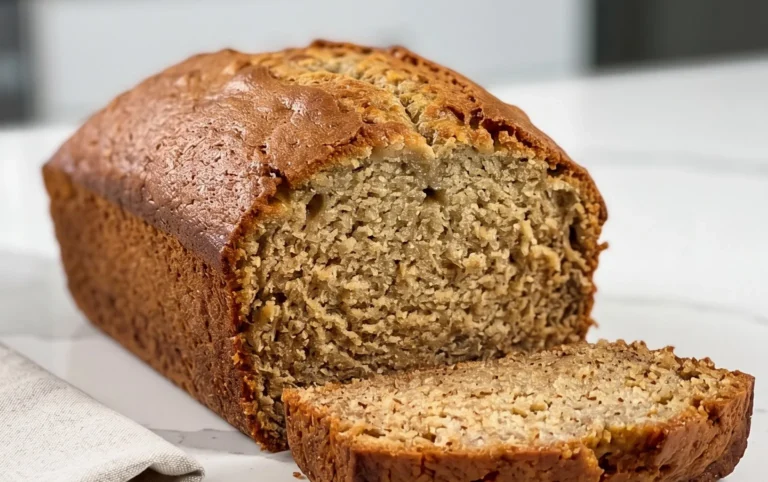
Old Fashioned Banana Bread isn’t just a dessert; it’s a warm hug in loaf form. There’s something inherently comforting about the aroma that fills your kitchen as this classic bakes – a sweet, spiced symphony that instantly transports me back to cozy afternoons. Why do we all adore this simple yet sublime treat? It’s the perfect marriage of sweet, ripe bananas and a tender, moist crum extractb, a delightful dance of flavors and textures that never fails to satisfy. What truly makes Old Fashioned Banana Bread special is its timeless appeal, its ability to be both humble and utterly decadent. Whether enjoyed warm with a smear of butter, toasted for breakfast, or simply savored on its own, this recipe promises an unforgettable taste of home. Let’s bake some magic together!
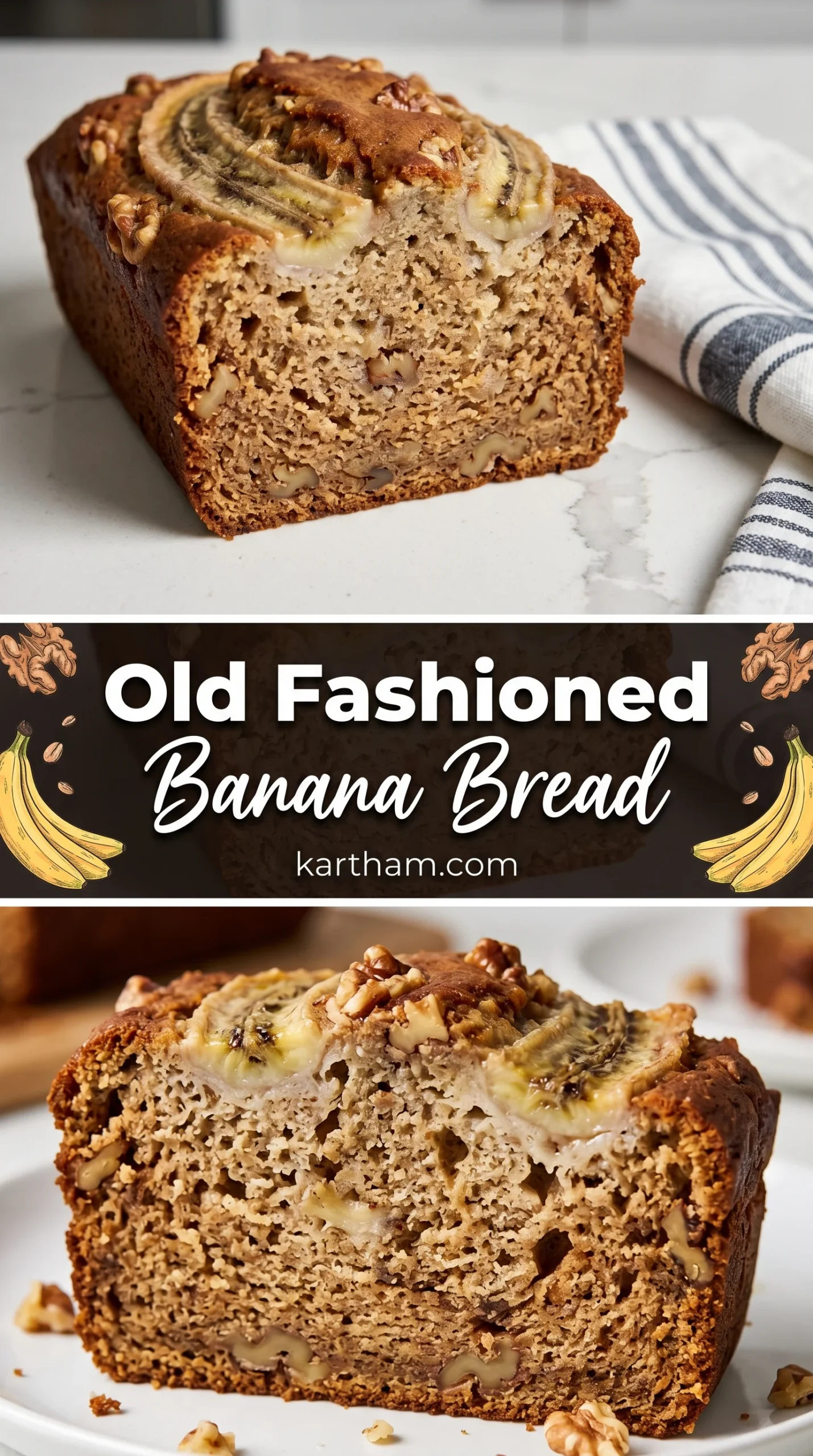
Old Fashioned Banana Bread
There’s something undeniably comforting about a slice of warm, homemade banana bread. It’s a taste that transports you back to simpler times, to cozy kitchens filled with the sweet aroma of baked goods. This old-fashioned recipe is my go-to, a classic for a reason. It’s incredibly easy to make, forgiving for begin extractners, and always delivers a moist, flavorful loaf. The secret, as with most great banana bread, lies in the ripeness of your bananas – the spottier and browner, the better!
Ingredients:
Preparing Your Banana Bread
The beauty of this recipe is its simplicity. You don’t need any fancy equipment, just a couple of mixing bowls, a whisk or spatula, and a loaf pan.
1.
Creaming the Butter and Sugar
First, in a large mixing bowl, we’ll cream together our softened unsalted butter and the granulated sugar. Make sure your butter is truly at room temperature; it should be pliable enough to easily indent with your finger. This step is crucial for creating a light and tender crum extractb. Beat the butter and sugar together until the mixture is pnon-alcoholic ale yellow and fluffy, which usually takes about 2-3 minutes of vigorous mixing. This process incorporates air into the batter, which helps the bread rise and gives it a wonderful texture. Don’t rush this part; it’s the foundation of a great cake or quick bread.
2.
Adding Eggs and Vanilla
Next, we’ll add our eggs, one at a time, beating well after each addition. This ensures the eggs are fully incorporated and help to emulsify the batter. Once the eggs are blended in, stir in the vanilla extract. The vanilla adds a warm, aromatic depth that complements the sweetness of the bananas beautifully. At this stage, the mixture should be smooth and well combined.
3.
Incorporating the Bananas
Now for the star of the show: the mashed bananas! Make sure you’ve mashed them thoroughly. You can use a fork or a potato masher. Some small lumps are perfectly fine and even desirable, as they create delightful pockets of banana flavor throughout the bread. Gently fold the mashed bananas into the wet ingredients until just combined. Overmixing at this point can lead to a tougher loaf, so be gentle.
4.
Combining Dry Ingredients and Adding to Wet
In a separate medium-sized bowl, whisk together your flour, baking soda, baking powder, and fine sea salt. Whisking these dry ingredients together ensures that the leavening agents (baking soda and baking powder) and the salt are evenly distributed throughout the flour. This is important for consistent rising and flavor. Now, add this dry mixture to the wet ingredients. Use a spatula or wooden spoon to gently fold the dry ingredients into the wet ingredients until just combined. Again, be careful not to overmix. A few streaks of flour are acceptable; they will disappear during baking.
5.
Adding the Nuts and Baking
Finally, gently fold in the chopped walnuts. These add a lovely crunch and nutty flavor that pairs so well with banana bread. If you’re not a fan of walnuts, you can omit them or substitute them with pecans or even chocolate chips for a different twist.
Preheat your oven to 350 degrees Fahrenheit (175 degrees Celsius). Grease and flour a 9×5 inch loaf pan, or line it with parchment paper for easy removal. Pour the batter evenly into the prepared loaf pan.
Bake for 50-65 minutes, or until a wooden skewer or toothpick inserted into the center of the loaf comes out clean. The baking time can vary depending on your oven, so it’s always best to start checking around the 50-minute mark. If the top of the bread is browning too quickly, you can loosely tent it with aluminum foil.
6.
Cooling and Enjoying
Once baked, remove the loaf pan from the oven and let it cool in the pan on a wire rack for about 10-15 minutes. This allows the bread to set up properly before you try to remove it. After the initial cooling in the pan, carefully invert the loaf onto the wire rack to cool completely. This is the hardest part – waiting for it to cool! Banana bread is best enjoyed when it’s still slightly warm, allowing the flavors to meld and the texture to be at its most tender. Slice it thickly, perhaps with a smear of butter, and savor that wonderful, old-fashioned taste. It’s perfect with a cup of coffee or tea, or even as a simple, satisfying dessert.
Conclusion:
There you have it – the ultimate guide to crafting a truly delicious and comforting Old Fashioned Banana Bread. This recipe is a winner because it’s wonderfully straightforward, relying on simple ingredients you likely already have on hand, to create a moist, tender loaf bursting with that classic banana flavor. It’s the perfect way to use up those overripe bananas sitting on your counter, transforming them into something truly special.
This versatile loaf is fantastic on its own, but I love it toasted with a generous smear of butter, or even topped with a drizzle of honey. For a more decadent treat, try serving it warm with a scoop of vanilla ice cream or a dollop of whipped cream. Don’t be afraid to experiment! Adding chocolate chips, chopped walnuts or pecans, or even a pinch of cinnamon or nutmeg can elevate your Old Fashioned Banana Bread to new heights. I truly encourage you to give this recipe a try – it’s a timeless classic for a reason and I’m confident it will become a staple in your baking repertoire.
Frequently Asked Questions:
What makes bananas “overripe” for banana bread?
Overripe bananas are key for the best flavor and texture in banana bread. Look for bananas that are heavily speckled with brown or even mostly brown. They will be soft, sweet, and release a more intense banana aroma and flavor, contributing to a moister and sweeter loaf.
Can I freeze leftover banana bread?
Absolutely! Banana bread freezes beautifully. Once completely cooled, wrap the loaf tightly in plastic wrap, then in aluminum foil, or place it in a freezer-safe bag. It will stay fresh in the freezer for up to 3 months. Thaw at room temperature or gently reheat in a low oven.
Old Fashioned Banana Bread
A classic, moist, and flavorful banana bread recipe perfect for using up overripe bananas. Features a tender crumb and the delightful crunch of walnuts.
Ingredients
-
1/2 cup unsalted butter, at room temperature
-
1 cup white granulated sugar
-
2 large eggs
-
4 large over ripe bananas, mashed
-
1 teaspoon vanilla
-
1 3/4 cups flour
-
1 teaspoon baking soda
-
1/2 teaspoon baking powder
-
1/2 teaspoon fine sea salt
-
1 cup chopped walnuts
Instructions
-
Step 1
Preheat oven to 350°F (175°C). Grease and flour a 9×5 inch loaf pan. -
Step 2
In a large bowl, cream together the softened butter and granulated sugar until light and fluffy. -
Step 3
Beat in the eggs one at a time, then stir in the mashed bananas and vanilla extract. -
Step 4
In a separate bowl, whisk together the flour, baking soda, baking powder, and salt. -
Step 5
Gradually add the dry ingredients to the wet ingredients, mixing until just combined. Do not overmix. -
Step 6
Fold in the chopped walnuts. -
Step 7
Pour batter into the prepared loaf pan and bake for 60 minutes, or until a wooden skewer inserted into the center comes out clean. -
Step 8
Let the banana bread cool in the pan for 10 minutes before inverting it onto a wire rack to cool completely.
Important Information
Nutrition Facts (Per Serving)
It is important to consider this information as approximate and not to use it as definitive health advice.
Allergy Information
Please check ingredients for potential allergens and consult a health professional if in doubt.