Easy Homemade Fruit Leather Recipe – Delicious Snack
Homemade fruit leather recipe is an absolute delight, transforming simple fruits into a chewy, intensely flavored treat that brings back childhood memories for so many of us. There’s something inherently magical about taking ripe, vibrant fruits and coaxing them into a sweet, pliable sheet of pure goodness. Why do we love it so much? It’s the perfect balance of sweet and tart, the satisfying chew, and the fact that it’s packed with natural fruit flavors without any of the artificial additives found in store-bought versions. What truly makes this homemade fruit leather recipe special is the incredible versatility. You can use your favorite fruits, experiment with exciting flavor combinations, and best of all, you can control exactly what goes into it. It’s a wonderfully rewarding project that yields a delicious, healthy snack everyone will adore.
Why You’ll Love This Recipe
A Taste of Nostalgia, Made by You
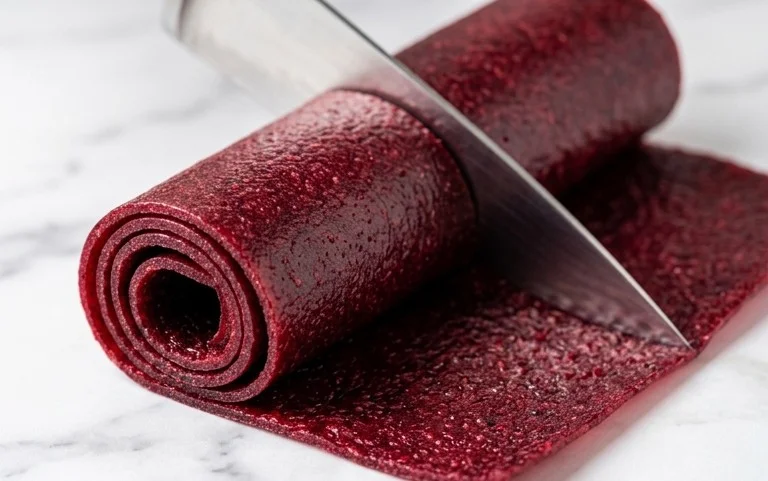
Homemade Fruit Leather Recipe
There’s something incredibly satisfying about making your own snacks, and fruit leather is a fantastic project for any home cook, whether you’re a seasoned baker or just starting out. It’s a wonderfully healthy alternative to store-bought candies and a great way to use up ripe fruit. The process is surprisingly simple, requiring minimal ingredients and a bit of patience. The result? Sweet, chewy, intensely flavored strips of pure fruit goodness that are perfect for lunchboxes, after-school treats, or even a guilt-free indulgence for yourself. Today, we’re going to make a delicious fruit leather using just a few simple ingredients. I love how customizable this recipe is; you can use almost any fruit you have on hand!
Ingredients:
Instructions:
Preparing Your Fruit Base
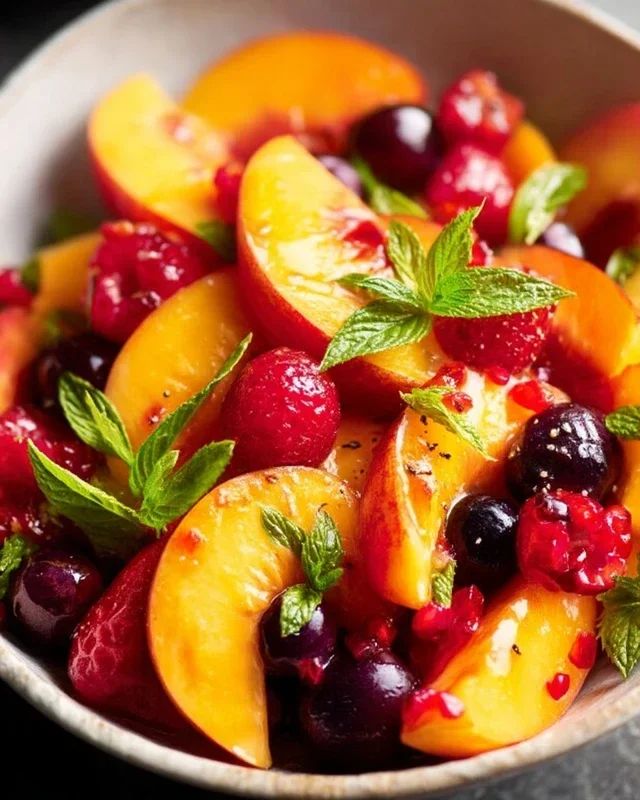
The first step to creating amazing fruit leather is to prepare your fruit. I recommend using ripe, flavorful fruits for the best taste. Berries like strawberries, raspberries, or blueberries work beautifully, as do stone fruits such as peaches, apricots, or plums. Even apples and pears can be transformed into delicious leather, though they might require a bit more sugar depending on their natural sweetness. For this recipe, I’m using a mix of ripe peaches and raspberries, which provides a lovely balance of sweetness and tartness.
Start by washing your chosen fruit thoroughly. If you’re using larger fruits like peaches or apples, you’ll want to chop them into relatively small, uniform pieces. This will help them cook down more evenly. If using berries, you can leave them whole or give them a quick chop if they are particularly large. The goal here is to create a consistent texture that will blend smoothly.
Cooking Down the Fruit
Once your fruit is prepped, it’s time to get cooking. Transfer your chopped fruit into a saucepan. Add the white sugar. The sugar not only adds sweetness but also helps with preservation and creates that signature chewy texture we love in fruit leather. Don’t be tempted to skip it, especially if your fruit isn’t super ripe.
Next, add the juice from half a lemon. Lemon juice is crucial for a few reasons. Firstly, it brightens the flavor of the fruit, preventing it from tasting flat. Secondly, it acts as a natural preservative and helps the fruit leather set up properly. It also adds a subtle tang that cuts through the sweetness, making the final product more complex and enjoyable.
Place the saucepan over medium heat. Stir the fruit, sugar, and lemon juice together. As the mixture heats up, the fruit will begin extract to release its juices, and the sugar will dissolve. You’ll want to continue to cook this mixture, stirring frequently, until the fruit has softened considerably and started to break down. This usually takes about 10-15 minutes. The goal is to soften the fruit so it can be easily pureed. You’re looking for a consistency that’s starting to look like a thick compote. If it seems too dry, you can add a tablespoon or two of water, but usually, the fruit’s own moisture is enough.
Pureeing for Smoothness
Now that your fruit has softened, it’s time to create a smooth puree. This is where you’ll get that lovely, consistent texture that makes fruit leather so enjoyable to chew. You have a couple of options here. If you have an immersion blender, you can carefully blend the mixture directly in the saucepan. Be cautious as it will be hot! If you don’t have an immersion blender, you can carefully transfer the hot fruit mixture to a regular blender or a food processor.
Blend the mixture until it is completely smooth. There should be no chunks of fruit remaining. If you want an extra-smooth texture, you can even strain the puree through a fine-mesh sieve to remove any seeds or fibrous bits. This step is especially important if you’re using fruits like raspberries that have many small seeds. The smoother the puree, the more appealing your fruit leather will be. Taste the puree at this stage and adjust sweetness if needed. You can add a little more sugar if you prefer it sweeter, but remember it will concentrate as it dries.
Spreading and Drying
This is where the magic really happens! Preheat your oven to its lowest possible setting. This is typically around 170-200 degrees Fahrenheit (75-95 degrees Celsius). If your oven doesn’t go that low, don’t worry too much, just aim for the lowest setting and potentially leave the oven door ajar slightly to allow for more air circulation and prevent the fruit from burning.
Line a baking sheet with parchment paper or a silicone baking mat. Make sure the parchment paper covers the entire surface of the baking sheet, going up the sides slightly, as this will help contain the fruit puree. Pour your smooth fruit puree onto the prepared baking sheet. Use a spatula or the back of a spoon to spread the puree into a thin, even layer, about 1/8 to 1/4 inch thick. The thinner you spread it, the faster it will dry, but be careful not to make it too thin, or it might become brittle. Try to spread it as evenly as possible to ensure consistent drying throughout.
Place the baking sheet in the preheated oven. Now comes the waiting game. You’ll need to bake the fruit puree for a significant amount of time, usually 4 to 8 hours, or even longer, depending on the thickness of your puree and the humidity in your kitchen. The goal is to dry out the puree until it is no longer sticky to the touch and peels easily away from the parchment paper. You’ll want to check on it periodically. You can gently touch the surface with your finger; if it’s still wet or sticky, it needs more time. The edges will likely dry faster than the center, so you might need to carefully trim or peel sections as they are done.
Cooling and Storing
Once your fruit leather has reached the desired consistency – leathery, pliable, and no longer sticky – carefully remove the baking sheet from the oven. Allow the fruit leather to cool completely on the baking sheet. This is an important step to ensure it firms up properly and becomes easy to handle.
Once cooled, you can carefully peel the fruit leather off the parchment paper or silicone mat. If it’s sticking in places, a gentle nudge with a spatula usually does the trick. Now, you can cut your fruit leather into strips, squares, or any shape you desire. I like to cut mine into about 1-inch wide strips, which are perfect for rolling up.
To store your homemade fruit leather, you can wrap individual strips in plastic wrap or wax paper, or stack them between layers of parchment paper in an airtight container. Properly stored, homemade fruit leather can last for several weeks at room temperature, or even longer if refrigerated. Enjoy this delicious and healthy treat you made all by yourself!
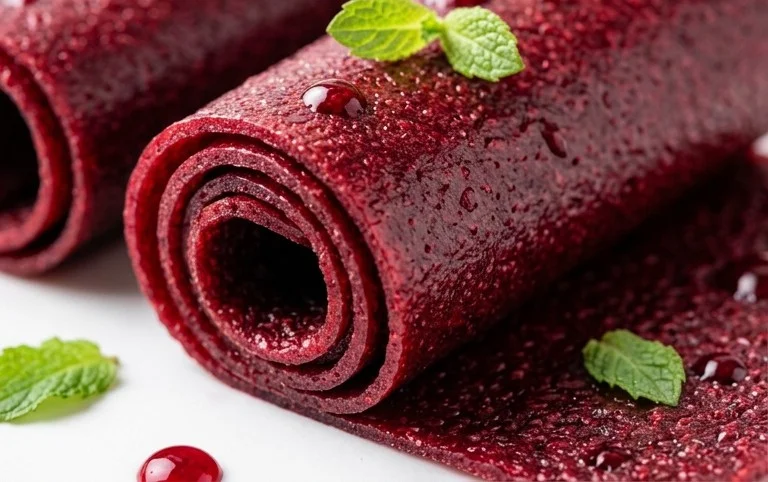
Conclusion:
Making your own homemade fruit leather is such a rewarding and delicious endeavor! Not only is it a fantastic way to preserve the vibrant flavors of fresh fruit, but it’s also surprisingly simple to achieve that perfect chewy, sweet-tart texture. This recipe is a winner because it allows you to control exactly what goes in – no artificial flavors or excessive sugars, just pure fruit goodness. It’s a healthy and fun snack that kids and adults alike will adore. Imagin extracte the satisfaction of pulling a perfectly pliable sheet of vibrant fruit leather from your oven! I highly encourage you to give this homemade fruit leather recipe a try; you won’t be disappointed.
Serving suggestions abound! Enjoy your fruit leather as a healthy lunchbox treat, a post-workout energy boost, or even as a delightful addition to a cheese board. You can cut it into fun shapes for an extra special touch. As for variations, the possibilities are truly endless! Try combining different fruits like strawberry-banana, mango-lime, or apple-cinnamon. Adding a pinch of spice like gin extractger or cardamom can also elevate the flavor profile.
Frequently Asked Questions:
What is the best way to store homemade fruit leather?
Once your fruit leather has cooled completely, you can store it by rolling it up tightly and wrapping it in parchment paper or plastic wrap. Store it in an airtight container at room temperature for up to a week, or for longer storage, keep it in the refrigerator. It also freezes beautifully!
My fruit leather is too sticky. What went wrong?
A sticky fruit leather usually means it wasn’t dried long enough. Ensure your oven temperature is low and consistent, and that you’re allowing enough time for the moisture to evaporate. If it’s still too soft after the recommended time, continue drying it in 30-minute intervals, checking for doneness in between.
Homemade Fruit Leather
A simple and delicious recipe for making homemade fruit leather using fresh fruit, sugar, and lemon juice.
Ingredients
-
2 cups fruit, chopped
-
3 tbsp white sugar
-
½ whole lemon, just the juice
-
1 tsp vanilla extract
-
Pinch of salt
Instructions
-
Step 1
Prepare your fruit by washing, peeling (if necessary), and chopping it into small pieces. -
Step 2
Combine the chopped fruit, white sugar, lemon juice, vanilla extract, and pinch of salt in a blender or food processor. -
Step 3
Puree the mixture until it is smooth and well combined. -
Step 4
Pour the fruit puree onto a baking sheet lined with parchment paper, spreading it into a thin, even layer. -
Step 5
Bake in a preheated oven at 175°F (80°C) for 4-6 hours, or until the fruit leather is dry and no longer sticky to the touch. -
Step 6
Once cooled, peel the fruit leather from the parchment paper and cut it into strips.
Important Information
Nutrition Facts (Per Serving)
It is important to consider this information as approximate and not to use it as definitive health advice.
Allergy Information
Please check ingredients for potential allergens and consult a health professional if in doubt.