Easy Chimichurri Sauce Recipe – Fresh & Flavorful
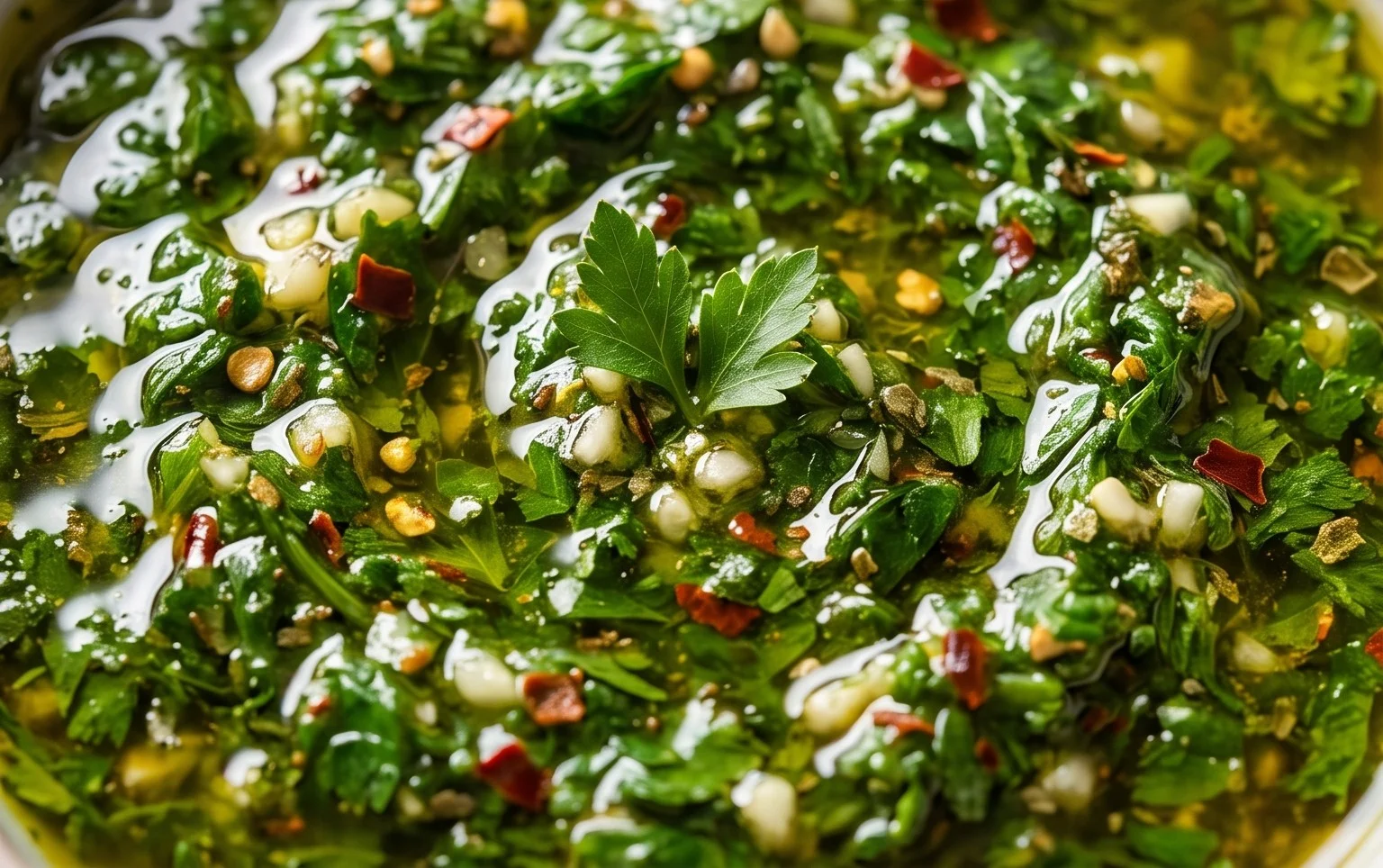
Chimichurri sauce recipe. There are few condiments that possess the vibrant, herbaceous punch of a truly excellent chimichurri. It’s more than just a sauce; it’s a culinary awakening, a burst of freshness that elevates everything it touches. I remember the first time I truly tasted authentic chimichurri, slathered generously over a perfectly grilled steak, and it was a revelation. It’s this incredible balance of zesty acidity, the subtle heat of chili, and the bright perfume of fresh parsley and oregano that makes this Argentinian staple so universally beloved. What truly sets this chimichurri sauce recipe apart is its simplicity, allowing the quality of its fresh ingredients to shine through, creating a versatile flavor bomb that’s perfect for grilled meats, roasted vegetables, and even as a vibrant salad dressing. Prepare to fall in love with this amazing sauce!
Chimichurri Sauce Recipe
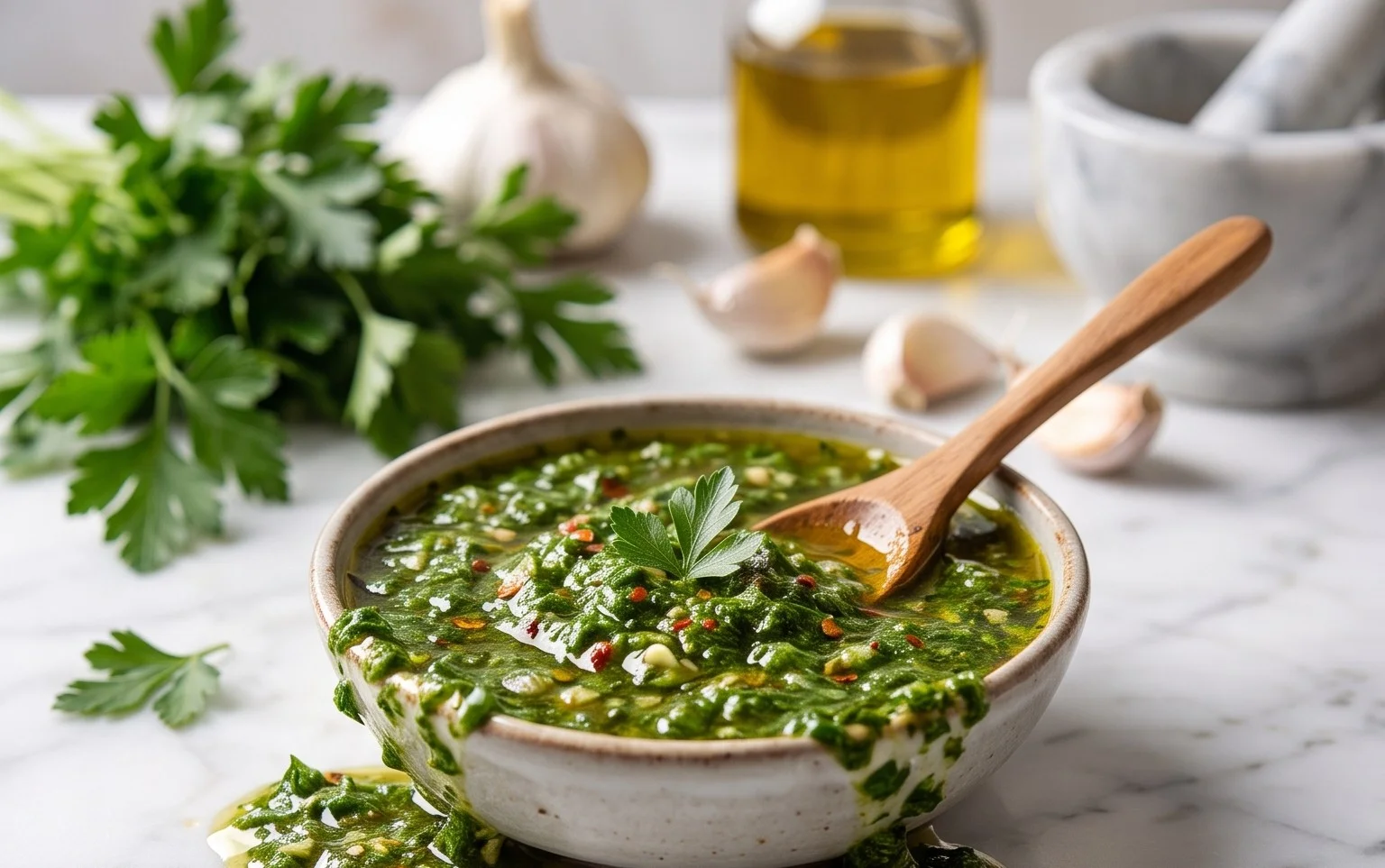
There’s something incredibly vibrant and zesty about a homemade chimichurri sauce. It’s the kind of sauce that can instantly elevate a simple grilled steak, a roasted chicken, or even a platter of roasted vegetables from ordinary to extraordinary. This Argentinian staple is surprisingly easy to make, bursting with fresh herbs and a bright, tangy finish. Forget store-bought; once you try this fresh chimichurri, you’ll never go back. It’s a versatile condiment that adds a punch of flavor and a beautiful emerald hue to whatever it touches. The beauty of chimichurri lies in its simplicity and the quality of its fresh ingredients.
Ingredients:
Making Your Chimichurri: Step-by-Step
The process of creating this beautiful green sauce is wonderfully straightforward, focusing on fresh, raw ingredients. The key is to achieve a nicely chopped texture that still has some bite, rather than a smooth puree. This allows the individual flavors of the herbs and aromatics to shine through.
Step 1: Prep Your Herbs and Aromatics
First, we need to get our fresh herbs ready. It’s crucial to use only the leaves for both parsley and cilantro. The stems, especially of parsley, can be a bit tough and fibrous, and while they contain flavor, they can detract from the sauce’s smooth texture. Gently strip the leaves from the stems of the parsley and cilantro. For the oregano, the leaves are generally tender enough to use directly, but if your oregano stems are particularly thick, you can also strip the leaves from those. Roughly chop the fresh oregano leaves. Next, we’ll tackle the aromatics. Take your roughly chopped red onion or shallots. If you’re using red onion, a mild one will do. Shallots offer a slightly sweeter and more delicate flavor, which can be lovely here. Finally, peel your garlic cloves.
Step 2: Chop the Foundation
Now comes the fun part where we bring all those lovely ingredients together. You have a couple of options here: a food processor or a knife. For a more rustic, hand-chopped texture, which I personally love, you can finely chop all the prepared herbs, red onion (or shallots), and garlic by hand. Take your time to get them as fine as you like. If you prefer a slightly quicker method or a more uniformly textured sauce, you can pulse the herbs, red onion (or shallots), and garlic in a food processor. Be careful not to over-process; we want a finely chopped texture, not a paste. Pulse in short bursts, scraping down the sides as needed, until everything is finely minced. Add the red pepper flakes to this mixture at this stage.
Step 3: Emulsify the Liquids
In a separate bowl, we’ll combine our liquid ingredients. Pour in the extra-virgin extract olive oil. The quality of your olive oil will significantly impact the final flavor, so use a good one! Next, add the red grape juice vinegar. Red grape juice vinegar provides that essential tang and acidity that cuts through richness. If you don’t have red grape juice vinegar, red grape juice vinegar is a fantastic substitute, offering a similar fruity acidity. Then, squeeze in your fresh lemon juice. Fresh lemon juice is non-negotiable for that bright, zesty finish. Finally, add the kosher salt. Give these liquids a good whisk to begin extract the emulsification process. This step is about bringin extractg together the oil, vinegar, and lemon juice into a cohesive dressing that will coat the herbs beautifully.
Step 4: Combine and Mingle
Now it’s time to bring everything together! Add your finely chopped herb and aromatic mixture from Step 2 into the bowl with the whisked liquids from Step 3. Gently stir everything together with a spoon or whisk until all the ingredients are well combined. Ensure that the chopped herbs and aromatics are fully coated in the oil, vinegar, and lemon juice mixture. This is where the magic happens as the flavors begin extract to meld.
Step 5: Rest and Marinate
This is arguably the most important step for developing the full flavor of your chimichurri. Once everything is combined, cover the bowl tightly or transfer the sauce to an airtight container. Place it in the refrigerator and let it rest for at least 30 minutes. Ideally, allow it to sit for an hour or even longer. This resting period allows the flavors to meld and deepen. The raw garlic will mellow slightly, the herbs will infuse the oil and vinegar, and the overall taste will become more complex and balanced. Before serving, give the chimichurri a good stir. You may notice that the oil and vinegar separate slightly; this is normal. Just stir to re-emulsify before spooning it over your favorite dishes.
Chimichurri is incredibly versatile. Drizzle it over grilled steak, lamb chops, or chicken. It’s also fantastic with roasted vegetables like potatoes, asparagus, or bell peppers. You can even use it as a marinade or a dipping sauce for empanadas. Enjoy the vibrant, fresh taste of your homemade chimichurri!
Conclusion:
There you have it! My go-to recipe for vibrant, herbaceous Chimichurri Sauce is incredibly versatile and remarkably easy to whip up. Its bright, zesty flavor profile is a fantastic way to elevate any dish, transforming simple ingredients into something truly special. The fresh parsley and cilantro, combined with the tang of vinegar and the kick of garlic and chili, create a perfect balance that awakens the palate. I love this recipe because it’s so forgiving and adaptable. Whether you’re grilling up some steak, roasting vegetables, or even jazzing up a sandwich, this chimichurri is your secret weapon.
Don’t be afraid to experiment! I’ve found that adding a touch of smoked paprika or a hint of lemon zest can offer delightful nuances. Serve it generously over grilled meats like steak, chicken, or lamb, spoon it over roasted potatoes or grilled vegetables, or even use it as a marinade. It’s also a surprisingly delicious topping for fish or as a vibrant dressing for salads.
I truly encourage you to give this Chimichurri Sauce Recipe a try. You’ll be amazed at how much flavor you can pack into this simple sauce and how often you’ll reach for it once you have it on hand. Happy cooking!
Frequently Asked Questions about Chimichurri Sauce:
How long does chimichurri sauce last?
When stored properly in an airtight container in the refrigerator, fresh chimichurri sauce can last for up to 5 to 7 days. The oil and vinegar act as preservatives, helping to keep it fresh.
Can I make chimichurri ahead of time?
Absolutely! In fact, I often find that the flavors meld even better if you make it a few hours or even a day in advance. This allows the herbs to really infuse into the oil and vinegar.
What if I don’t have fresh parsley or cilantro?
While fresh herbs are definitely preferred for the best flavor, you can use dried herbs in a pinch. You’ll need significantly less dried herbs than fresh – typically about one-third the amount. However, the vibrant fresh taste will be diminished.
Chimichurri Sauce Recipe
A vibrant and flavorful Argentinian sauce perfect for grilled meats, vegetables, and more. This recipe uses red grape juice vinegar for a non-alcoholic alternative.
Ingredients
-
1 cup fresh Italian flat-leaf parsley (, leaves only, stems removed)
-
1/4 cup fresh cilantro (, leaves only, stems removed)
-
1/4 cup fresh oregano (, leaves only, stems removed)
-
1/3 cup roughly chopped red onion or shallots
-
3 cloves garlic (, peeled)
-
1/2 teaspoon red pepper flakes
-
1/2 cup extra-virgin extract olive oil
-
1/4 cup red grape juice vinegar
-
3 tablespoons fresh lemon juice
-
1 teaspoon kosher salt
Instructions
-
Step 1
Finely chop the parsley, cilantro, and oregano leaves. You can use a knife or a food processor for this. -
Step 2
In a medium bowl, combine the chopped herbs, chopped red onion or shallots, minced garlic, and red pepper flakes. -
Step 3
Add the extra-virgin olive oil, red grape juice vinegar, fresh lemon juice, and kosher salt to the bowl. -
Step 4
Stir all the ingredients together until well combined. Ensure the salt is dissolved. -
Step 5
For best flavor, let the chimichurri sauce rest at room temperature for at least 15 minutes to allow the flavors to meld. You can also refrigerate it for longer storage. -
Step 6
Taste and adjust seasoning if necessary, adding more salt, lemon juice, or vinegar to your preference.
Important Information
Nutrition Facts (Per Serving)
It is important to consider this information as approximate and not to use it as definitive health advice.
Allergy Information
Please check ingredients for potential allergens and consult a health professional if in doubt.