Sticky Coconut Cake Recipe- Deliciously Moist & Easy
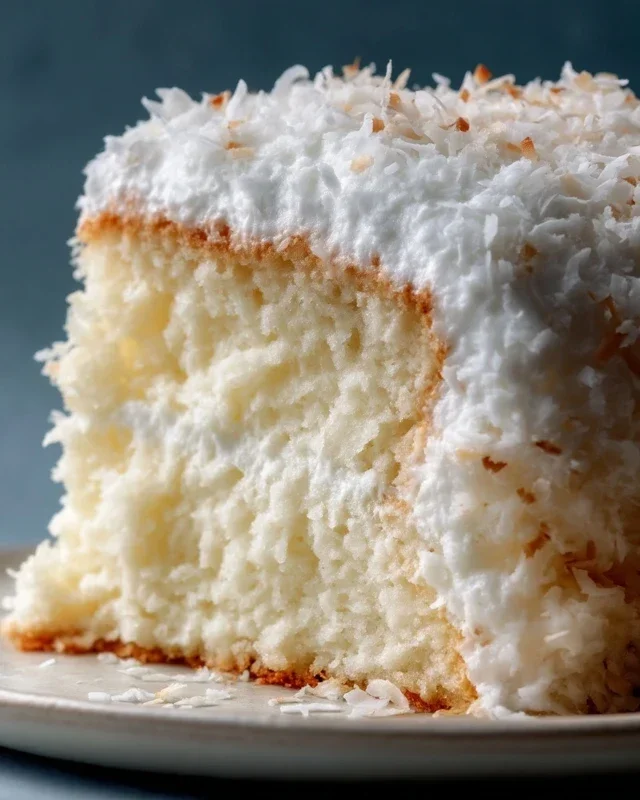
Sticky Coconut Cake is more than just a dessert; it’s a tropical escape baked right into your kitchen. Imagin extracte the warm, comforting aroma filling your home, promising a bite of pure bliss. What is it about this particular cake that captures hearts and taste buds? It’s the irresistible combination of moist, tender crum extractb infused with the subtle sweetness of coconut, generously draped in a glistening, caramel-like sticky glaze. This isn’t your average cake; it’s an experience. Each forkful delivers a symphony of textures and flavors – the fluffy cake giving way to the chewy, sweet coconut, all brought together by that signature luscious topping. It’s the perfect treat for celebrations, a cozy afternoon indulgence, or simply when you need a little slice of sunshine. Get ready to fall in love with this Sticky Coconut Cake all over again, or for the very first time.
Sticky Coconut Cake
There’s something incredibly comforting and utterly delicious about a cake that’s both moist and packed with flavor. This Sticky Coconut Cake delivers just that, with a wonderful texture that’s both tender and slightly chewy, thanks to the glutinous rice flour. The fragrant coconut milk and sweet shredded coconut create a tropical paradise in every bite, making it perfect for any occasion, whether it’s a special celebration or just a quiet afternoon treat. I love how the simple ingredients come together to create such an impressive result. It’s a recipe that’s surprisingly easy to follow, and the aroma that fills your kitchen as it bakes is simply divine.
Ingredients:
Cooking Instructions:
Let’s get baking! This recipe is broken down into a few manageable steps. Don’t be intimidated by the mention of separating eggs; it’s quite simple and crucial for achieving the perfect texture.
Step 1: Preparing the Wet Ingredients and the Coconut Milk Mixture
The first step involves getting our wet ingredients ready and infusing them with coconut goodness. In a large mixing bowl, I like to whisk together the 2 egg yolks with the 1¼ cup of granulated sugar until the mixture is pnon-alcoholic ale and slightly fluffy. This process helps to dissolve the sugar and create a smoother batter later on. Next, I pour in the 2¼ cup of full fat canned coconut milk. It’s important to use full-fat coconut milk here as it contributes significantly to the cake’s richness and moisture. Add the 1 teaspoon of vanilla extract to this wet mixture. Vanilla is a wonderful flavor enhancer, and it complements the coconut beautifully. Give this all a good whisk until everything is well combined.
Now, for the coconut infusion! In a separate saucepan, gently heat the shredded sweetened coconut over low to medium heat. We want to toast the coconut lightly, bringin extractg out its natural sweetness and a delightful nutty aroma. Stir it constantly to prevent it from burning. This toasting step is optional but highly recommended for an extra layer of flavor. Once lightly toasted (it should be just a pnon-alcoholic ale golden brown), remove it from the heat and set it aside. We’ll incorporate this toasted coconut later.
Step 2: Combining Dry Ingredients and Initial Mixing
In another medium-sized bowl, whisk together the 1½ cup of glutinous rice flour. Glutinous rice flour is the key to the cake’s signature chewy and sticky texture, so it’s essential to use it. Make sure there are no clumps. Now, it’s time to combine the wet and dry ingredients. Gradually add the glutinous rice flour mixture to the wet ingredients (the egg yolk, sugar, coconut milk, and vanilla mixture) in the large bowl. Whisk gently until just combined. Be careful not to overmix at this stage; overmixing can lead to a tougher cake. We want a smooth batter, but it doesn’t need to be vigorously beaten. The batter will be quite liquidy at this point, which is exactly what we’re looking for.
Step 3: Whipping the Egg Whites for Leavening and Texture
This step is where we introduce air and lightness to our cake. In a clean, dry bowl (it’s crucial that there’s no trace of grease, or the egg whites won’t whip properly), beat the 2 egg whites. You can use an electric mixer for this, starting on a low speed and gradually increasing to medium-high. Beat them until they form soft peaks. Soft peaks mean that when you lift the whisk, the egg whites will stand up but then gently curl over at the tip. This is where the magic happens for a slightly lifted and tender crum extractb.
Step 4: Folding in the Egg Whites and Toasted Coconut
Now it’s time to carefully fold the whipped egg whites into the batter. This is a delicate process. Take about a third of the whipped egg whites and gently fold them into the batter. Use a spatula and a folding motion, starting from the bottom of the bowl and bringin extractg it up and over the egg whites. This helps to lighten the batter. Once that’s incorporated, gently fold in the remaining egg whites. Don’t worry if there are a few small streaks of white; it’s better to under-fold than to over-fold and deflate the egg whites. Finally, gently fold in the toasted shredded coconut (if you toasted it) or the untoasted shredded coconut. Ensure it’s evenly distributed throughout the batter. The batter will be thick and wonderfully fragrant.
Step 5: Baking the Sticky Coconut Cake
Preheat your oven to 350°F (175°C). Prepare your baking pan by greasing and flouring it, or lining it with parchment paper. A 9×13 inch baking pan is a good size for this recipe. Pour the batter evenly into the prepared pan. Gently smooth the top with your spatula. Place the pan in the preheated oven and bake for approximately 35-45 minutes. The exact baking time will depend on your oven. You’ll know the cake is done when a toothpick inserted into the center comes out clean, and the top is golden brown and slightly firm to the touch. The aroma will be irresistible! Once baked, let the cake cool in the pan for about 10-15 minutes before carefully inverting it onto a wire rack to cool completely.
This Sticky Coconut Cake is absolutely delightful served warm or at room temperature. It’s wonderful on its own, but a dusting of powdered sugar or a dollop of whipped cream can elevate it further. Enjoy the sweet, moist, and wonderfully chewy texture!
Conclusion:
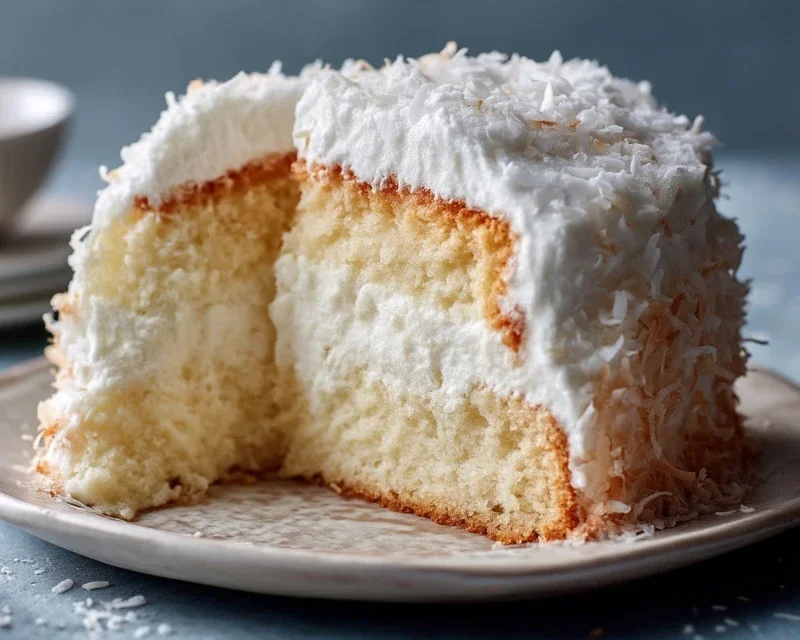
I hope you’re as excited as I am to try this Sticky Coconut Cake recipe! It’s truly a triumph of simple ingredients coming together to create something incredibly special. The delightful chegrape juicess from the coconut, the luscious sweetness of the sticky topping, and the moist, tender crum extractb make this cake an absolute winner for any occasion. It’s surprisingly easy to make, proving that delicious, homemade treats don’t need to be complicated. Whether you’re a seasoned baker or just starting out, you’ll find this recipe incredibly rewarding. I encourage you to gather your ingredients and bake this delightful Sticky Coconut Cake – you won’t regret it!
This cake is wonderfully versatile. Serve it warm for an especially gooey experience, perhaps with a scoop of vanilla ice cream or a dollop of whipped cream. It also holds up beautifully for picnics or as a delightful afternoon tea treat. For a touch of extra indulgence, consider adding a sprinkle of toasted coconut flakes on top just before serving. If you’re feeling adventurous, why not try adding some finely chopped candied gin extractger to the batter for a subtle spicy kick, or a splash of lime juice to the topping for a hint of citrusy brightness?
Frequently Asked Questions:
Can I make this Sticky Coconut Cake ahead of time?
Absolutely! This cake is actually even better made a day in advance. The flavors meld together beautifully, and the sticky topping can set up nicely. Store it at room temperature in an airtight container for up to 3 days. Just be sure it’s fully cooled before covering it.
What kind of coconut is best to use?
For the best texture and flavor in this Sticky Coconut Cake, I recommend using desiccated or shredded coconut. Avoid sweetened coconut, as it can make the cake too sweet with the addition of the sticky topping. Unsweetened, finely shredded coconut will give you a lovely, even texture.
My sticky topping looks a bit too thin. What should I do?
If your topping seems thinner than you’d like, don’t worry! You can gently simmer it on low heat for a few more minutes, stirring constantly, until it reaches your desired consistency. Be careful not to overcook it, as it can become too thick and difficult to spread.
Sticky Coconut Cake
A sweet and tender sticky coconut cake, perfect for dessert or tea time.
Ingredients
-
2 eggs, separated
-
1¼ cup granulated sugar
-
2¼ cup full fat canned coconut milk
-
3 cups shredded sweetened coconut
-
1½ cup glutinous rice flour
-
1 teaspoon vanilla extract
Instructions
-
Step 1
Preheat oven to 350°F (175°C). Grease and flour a 9×13 inch baking pan. -
Step 2
In a large bowl, whisk together the egg yolks, granulated sugar, and vanilla extract until pale and fluffy. -
Step 3
Gradually whisk in the coconut milk until well combined. Then, stir in the shredded coconut and glutinous rice flour until a smooth batter forms. -
Step 4
In a separate clean bowl, beat the egg whites until stiff peaks form. -
Step 5
Gently fold the beaten egg whites into the coconut batter until just combined, being careful not to overmix. -
Step 6
Pour the batter into the prepared baking pan and spread evenly. -
Step 7
Bake for 30-35 minutes, or until a toothpick inserted into the center comes out clean. -
Step 8
Let cool in the pan for 15 minutes before inverting onto a wire rack to cool completely.
Important Information
Nutrition Facts (Per Serving)
It is important to consider this information as approximate and not to use it as definitive health advice.
Allergy Information
Please check ingredients for potential allergens and consult a health professional if in doubt.